Accounting & Tax Services for Import, Export & Wholesale Distribution
Landed cost, customs duties, and multi-state nexus for importers, exporters, and distributors.
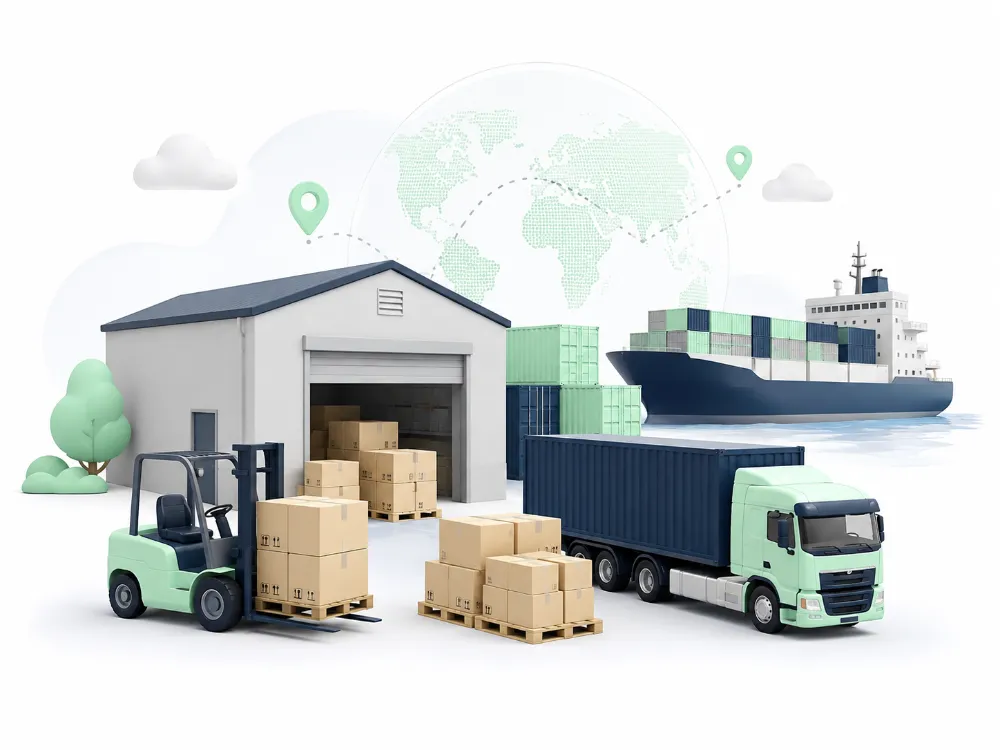
What Makes the Books Different in Import, Export & Wholesale Distribution
Customs duties and tariffs aren't a separate cost bucket - they belong in your landed cost, which means your inventory valuation and your cost of goods sold are wrong if duties aren't rolled in correctly at the time of import.
Inventory valuation itself needs a consistent method applied to goods that may sit in a warehouse for months, especially when currency values, freight costs, and duty rates shift between purchase and sale.
Foreign currency transactions create gains and losses that need to be tracked and reported, not netted out or ignored because the eventual USD amount 'worked out close enough.'
If you're dealing with related foreign entities - a supplier or affiliate you have common ownership with - transfer pricing rules apply, and Form 5472 filing requirements kick in for foreign-owned U.S. entities. These are IRS priority enforcement areas with real penalties for missing them, not paperwork you can skip.
Warehousing inventory in a state, even without a storefront there, can create sales tax nexus in that state. Distributors get caught by this more than almost any other business type, because the trigger is where the goods sit, not where the company is headquartered.
How We Help
Compliance & Licensing
We track multi-state sales tax nexus created by warehousing, maintain resale certificates for wholesale transactions, and handle Form 5472 filing for foreign-owned entity reporting.
Bookkeeping & Clean-Up
Landed cost calculated correctly with duties and freight rolled into inventory value, foreign currency transactions tracked, and cost of goods sold reconciled against actual import and sale records.
Tax Planning
We review your inventory valuation method, plan around transfer pricing basics if you deal with related foreign entities, and look at entity structure against your actual import/export volume.
Tax Return Preparation & Filing
Returns prepared with landed cost, foreign currency gains and losses, and Form 5472 (where applicable) reconciled and filed correctly.
Payroll
Payroll set up for warehouse and logistics staff, with correct handling if any portion of your workforce is based outside the U.S.
CFO Advisory & Consulting
Margin analysis by product line accounting for true landed cost, multi-state nexus exposure reviews, and cash flow planning around duty payment timing.
Choosing the Right Entity
Structure often depends on ownership - whether you're a domestic entity, foreign-owned, or have related entities across borders. Foreign-owned U.S. entities have specific reporting obligations regardless of size, so we'll confirm your structure supports clean compliance before it becomes a filing problem.
Explore Business Formation OptionsFrequently Asked Questions
What exactly counts as landed cost?
The purchase price of the goods plus freight, insurance, customs duties, and other costs to get the inventory to a sellable location. All of it belongs in your inventory value, not treated as a separate expense.
Do I have nexus in a state just because my goods are warehoused there?
In most states, yes - physical presence of inventory, even through a third-party warehouse or fulfillment service, is generally enough to create sales tax nexus. We'll check the specific states where your goods are stored.
What is Form 5472 and do I need to file it?
It's a reporting requirement for U.S. entities that are 25%-or-more foreign-owned, or foreign entities doing business in the U.S., covering transactions with related parties. Penalties for missing it are substantial and it's an active IRS enforcement area, so we check this early, not at filing time.
How do I handle gains or losses from currency exchange rate changes?
They need to be tracked and reported as their own line item when a transaction settles at a different exchange rate than when it was recorded, not absorbed into your general cost of goods.
Ready to Talk About Your Books?
Tell us where things stand and we'll tell you honestly what needs attention first.